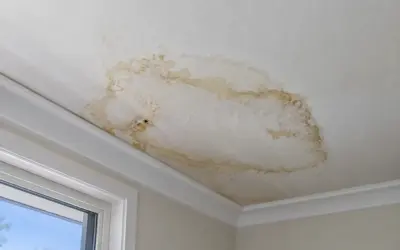
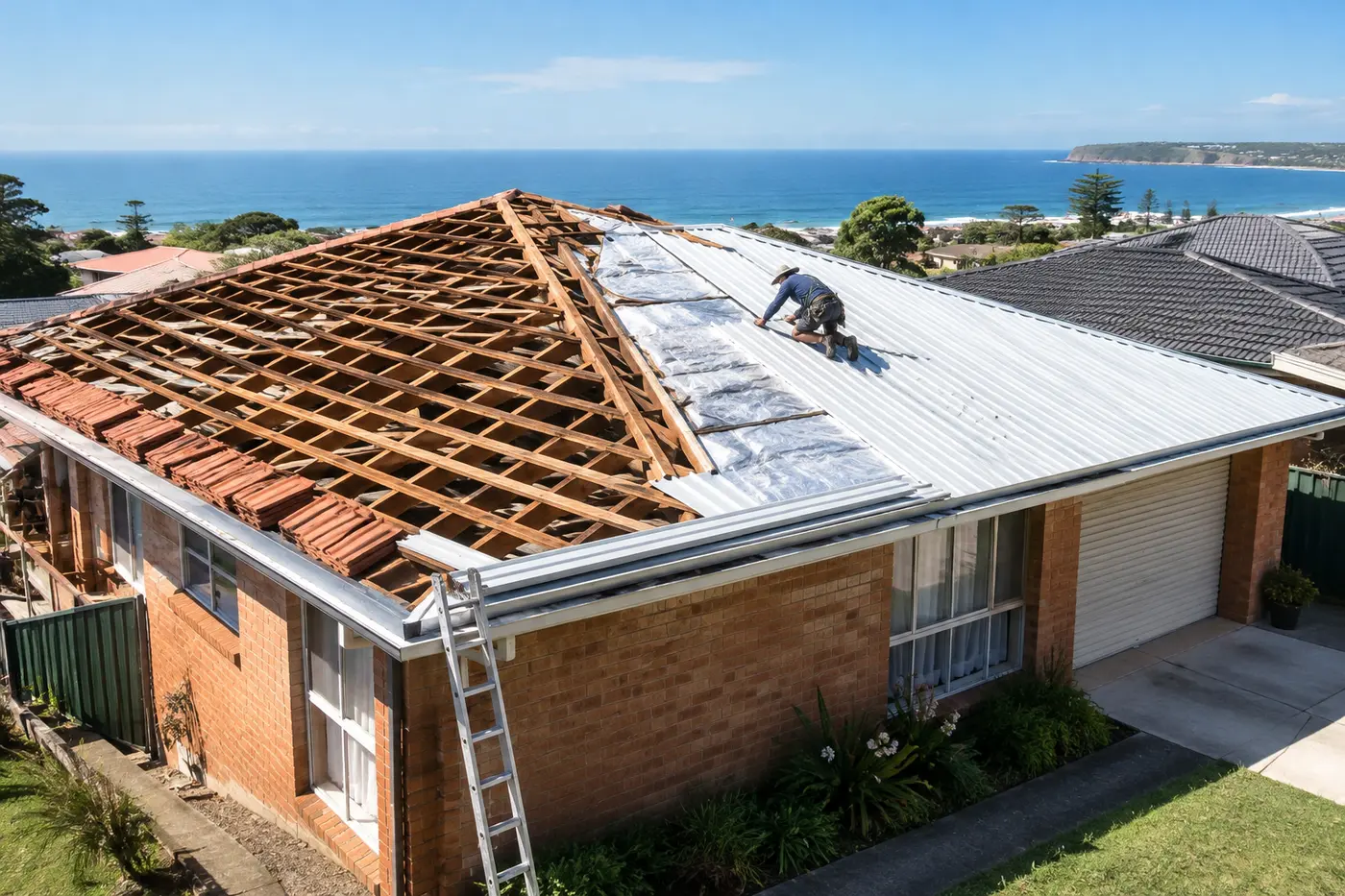
Most of the calls we get about this start the same way. The tile roof is 30 or 40 years old, the ridge capping is cracking again, there’s a stain on the bedroom ceiling, and someone asks if they should stop patching it and go to steel. Changing a tile roof to Colorbond is one of the bigger jobs a Shellharbour homeowner takes on. It’s also one of the jobs people understand least before the quotes come in.
This post covers what actually happens when we take a tile roof off and put a Colorbond roof on. It covers the hidden work that makes quotes differ, and the questions worth asking before you sign anything.
It’s a full re-roof, not a swap of the top layer
People sometimes picture steel sheets going straight over the old tiles. They don’t. Every tile, every ridge cap and all the mortar comes off, along with the old valleys and most of the flashings. Then we’re looking at bare timber. From there it’s a new roof, built to suit steel instead of terracotta or concrete.
That’s why it isn’t really a repair or a restoration. A restoration keeps your tiles and renews the bedding, pointing and coating. A conversion changes the whole roof system. If you’re still deciding between the two materials, our side by side look at Colorbond and tile for local homes covers that decision. This post assumes you’re leaning towards steel and want to know what comes next.
What happens on the roof, in the order it happens
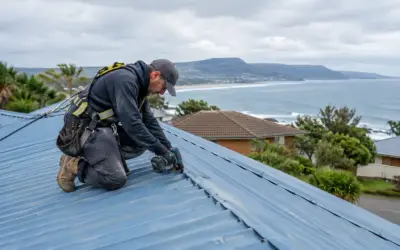
The order matters, because the house is open to the weather for part of it. We plan the strip-off around the forecast and only open up as much as we can close again that day.
- Safety setup. Edge protection or scaffolding goes up around the house before anyone walks on the roof.
- Strip the tiles. Tiles, ridges and mortar come off and go into a skip or a truck. A tile roof is heavy, so this is a lot of material.
- Inspect the frame. With the tiles gone we can see every rafter and truss. Rotten timber, sagging sections and old termite damage get dealt with now, while it’s easy to reach.
- Upgrade the tie-downs. More on this below. It’s the step most people have never heard of.
- Lay the blanket. An insulated roof blanket (often called anticon) goes down from the gutter to the ridge.
- Fit new battens. Tile battens are set out for tiles, not steel, so new battens go on at the spacing the sheets need.
- Sheet the roof. Colorbond sheets go on, cut to length, along with new ridge capping, valleys, flashings and usually new gutters and downpipes.
Why a lighter roof needs stronger tie-downs
This one surprises people. Steel weighs a fraction of what tiles do, so you’d think the frame gets an easy life. It does, for weight. Wind is the problem.
A heavy tile roof partly holds itself down. A light steel roof doesn’t. When strong wind blows across it, the roof gets pulled upward, and it’s the connections between the roof frame and the walls that stop it lifting. Many older Illawarra homes were built with tie-downs that suited a heavy tile roof, not a light steel one. So part of a proper conversion is adding straps, brackets and extra fixings so the frame is held down to the standard a metal roof needs.
For a house near the coast, that matters. Shellharbour gets its share of strong southerly busters and east coast lows. If two quotes look very different, ask each roofer whether tie-down upgrades are included. It’s one of the most common places where a cheap quote saves money.
The blanket is what stops the noise and the drips
The two worries we hear most about steel roofs are rain noise and heat. A good roof blanket handles both. It’s a layer of insulation with a foil face that sits directly under the sheets. It softens the sound of rain, slows heat moving into the roof space, and helps stop condensation.
Condensation is worth a moment. Steel cools quickly at night. Warm, damp air from inside the roof space can then form water droplets on the underside of the sheets, which can drip onto the ceiling. In a humid coastal suburb like ours, that’s a real risk. The blanket keeps that warm air away from the cold steel. We wouldn’t do a tile to Colorbond conversion without one.
The details around the edges are where leaks start
Tile roofs and steel roofs meet walls, chimneys and skylights in very different ways. On a tile roof, a wall junction is often sealed with a lead or soft metal flashing dressed over the tiles. That doesn’t suit steel. New flashings have to be made to fit the sheet profile, and where a roof runs into a brick wall, the flashing often needs to be cut into the mortar joints of the brickwork so water can’t get behind it.
A few other things often come up on a conversion:
- Solar panels need to come off and go back on, which means booking an electrician alongside us
- Old whirlybirds, vents and skylights need new flashings to suit steel
- Gutters are often replaced at the same time, since they’re easier to fit with the roof open and the old ones are usually tired anyway
- Fascias get checked and replaced if they’re soft
When a quote seems light, it’s usually because some of these items have been left out.
Picking the right steel for a coastal block
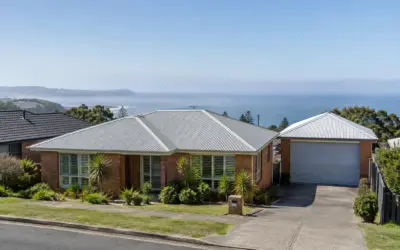
Not every Colorbond product suits every Shellharbour address. Salt air is hard on metal, and BlueScope, which makes Colorbond steel, recommends different products depending on how close a home sits to breaking surf. A house a few streets back from the beach at Shell Cove or Barrack Heights may need a more corrosion resistant grade than one further inland at Albion Park. The screws, flashings and gutters should be matched to the same standard. Mixing metals that react with each other is a quiet way to shorten a roof’s life.
Pick the colour once the grade is settled, not before. Lighter colours reflect more heat, which helps in summer.
What drives the price on a conversion
Every conversion is priced on the house in front of us, and a few things move the number more than anything else:
- Roof size and pitch (steep roofs take longer and need more safety gear)
- How many hips, valleys and junctions the roof has
- The condition of the timber once the tiles are off
- Tie-down work needed to bring the frame up to standard
- Steel grade for your distance from the surf
- Extras like gutters, fascias, solar removal and skylight flashings
We’ve covered the wider numbers in our guide to what a new roof costs around Shellharbour, including why some quotes come in so far apart. The short version: get quotes that list the same scope, so you’re comparing like with like.
When a conversion isn’t the right call
We’d rather tell you when steel isn’t worth it. If your tiles are sound and the problems are cracked pointing, a few broken tiles or a worn valley, a repair or restoration is usually far cheaper and keeps the roof going for years. Some homes also sit in heritage areas, or under planning rules that limit roof materials. In those cases a change of material may need approval first, so it’s worth checking with Shellharbour City Council before you commit.
Where steel makes sense is a roof with tiles breaking down across the board, constant leaks, or a frame that needs work anyway. If you’re heading that way, our roof replacement service covers tile to Colorbond conversions from strip-off to final flashing. Roofing Shellharbour is led by Ryan Bruce, who has more than 10 years of experience on both tile and metal roofs, so we can tell you honestly which way your roof should go. Call us on (02) 4215 8188 to book an inspection.
Common questions about changing a tile roof to Colorbond
Is Colorbond roofing cheaper than tiles?
On an existing home, the price of going to steel includes stripping the old tiles, upgrading tie-downs and fitting new battens, so it isn’t a simple materials comparison. Over the long run steel often works out well, since there’s no pointing or bedding to maintain. The honest answer comes from quoting both options on your actual roof.
How much does it cost to replace a tile roof with Colorbond?
It depends on roof size, pitch, complexity and how much frame and tie-down work the house needs. Two homes with the same floor area can price very differently. The fairest way to find out is an on-site inspection and a written quote that lists every item.
Is a Colorbond roof better than tiles?
Neither is better for every house. Steel is lighter, has fewer joins to leak and needs less upkeep. Tiles hold up well for decades and suit the look of many older Shellharbour homes. The right answer depends on the state of your current roof, your budget and how close you are to the coast.
Will a Colorbond roof be noisy in the rain?
Without insulation, you’ll hear heavy rain. With a proper roof blanket under the sheets and ceiling insulation below, most people find the noise softer than they expected. The blanket also helps with heat and condensation, so it’s worth including.
Can you change the colour of a tile roof without replacing it?
Yes. If the tiles are sound, cleaning, repairs and a roof coating can change the colour and refresh the roof for far less than a conversion. That only makes sense when the tiles themselves are in good shape, which is something we check during an inspection.
How long does a tile to Colorbond conversion take?
It varies with the size of the roof, any timber repairs found once the tiles are off, and the weather. We plan the work so the house is never left open overnight, and we’ll give you a realistic timeframe for your roof when we quote.