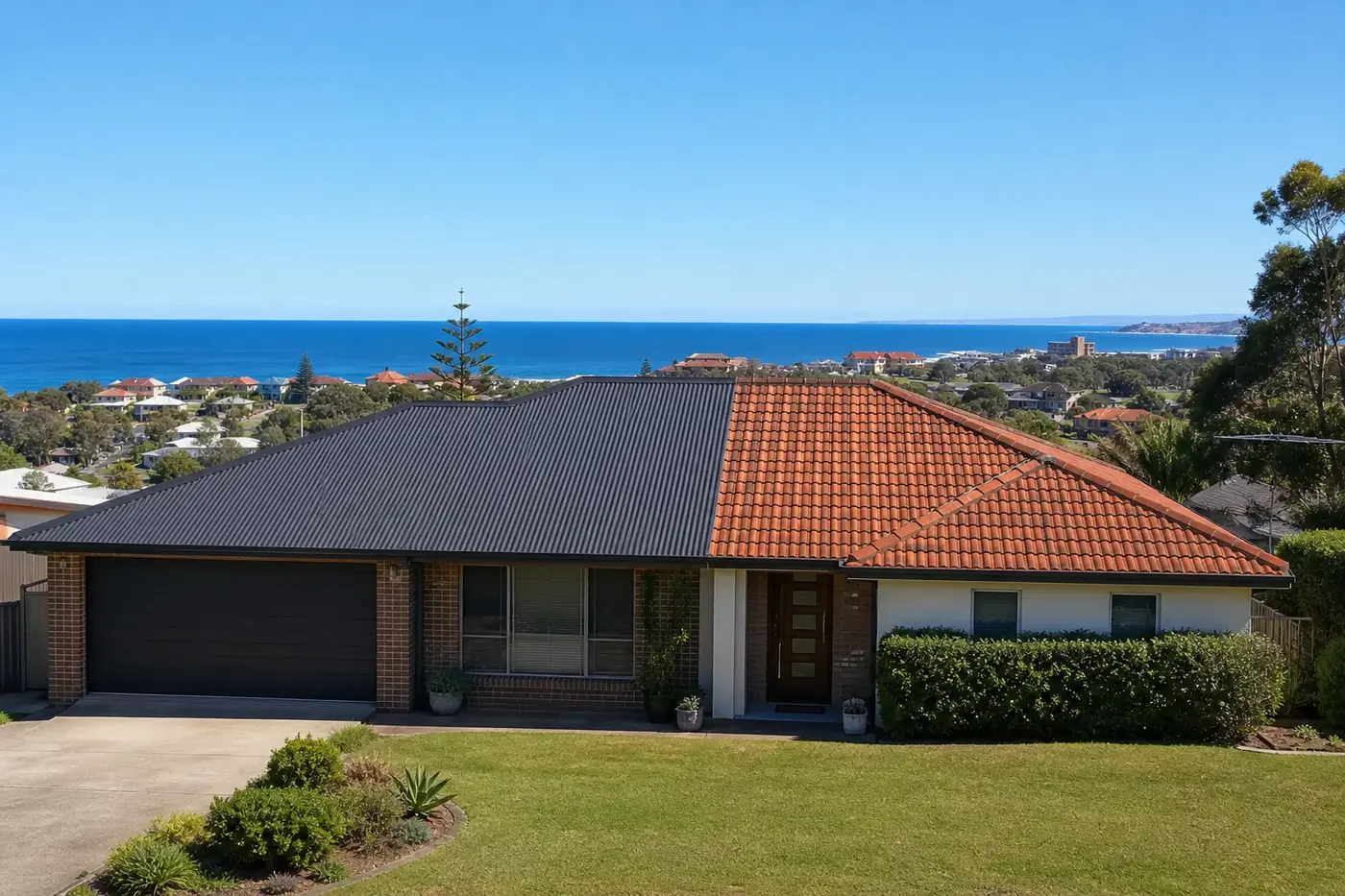
Most people who ask us about the colorbond vs tile roof question are standing in one of two spots. Either they are building new and staring at a plan that lists a roof they have never really thought about, or they have an ageing tile roof over their head and a quote in front of them for a full re-roof. Both are big decisions, and both deserve a straight answer rather than a sales pitch. We fit both materials, so we honestly do not mind which one you land on. What we do mind is that you pick the right one for your house and the spot it sits in.
Here in Shellharbour that spot matters more than it does inland. Salt air, southerly busters coming off the water, and the odd summer hailstorm all get a vote. So does the frame your roof already sits on. Let us walk through the parts that actually change the decision, not the marketing.
What really separates the two
A Colorbond roof is long sheets of coated steel, screwed down continuously along the roof battens. A tile roof is hundreds of individual pieces, either concrete or terracotta, each one resting and interlocking with the next. That single difference, one continuous skin versus many separate pieces, is behind almost everything else people argue about. Wind, weight, leaks, repairs, the lot. Keep it in mind and the rest falls into place.
Neither one is a bad roof. Australia has been putting both over homes for a very long time, and a well-built example of either will keep you dry for decades. The question is never which roof is best in the abstract. It is which roof is best for your house.
How each one copes with salt air and coastal storms
This is where being near the water changes the sums. Steel roofing is fixed down along its whole length, so there is very little for a strong wind to grab and lift. Tiles sit as separate pieces, and in a genuine blow a few can shift or lift at the edges, which is how you end up with a drip in the ceiling after a storm that looked fine from the ground. For exposed, wind-facing homes closer to the coast, that continuous steel skin is a real advantage.
Salt is the other coastal factor. Quality steel roofing is made to handle marine air, but the grade matters and so does keeping it rinsed by rain or a wash now and then. Tiles themselves shrug off salt happily; it is the metal bits around them, the valleys, flashings and fixings, that need to be the right material. Hail is the one area where tile quietly wins. A heavy hailstorm can dent steel sheeting, where a concrete tile usually takes the hit and only the odd one cracks. We see all of this firsthand across the suburbs we work in, from the older tiled homes around Warilla to newer builds out at Shell Cove.
Weight, and why your roof frame gets a say
Steel is light. Tiles, especially concrete ones, are heavy, and a full tile roof puts a serious load on the timber frame underneath. This matters most when you are thinking of switching materials. Going from tile to Colorbond takes weight off the frame, which is rarely a problem. Going the other way, or holding onto tiles, means the frame has to be built or checked to carry that load. On a new build your designer handles it. On an older home it is one of the first things worth looking at before you commit, and it is a big reason a lot of tile-to-Colorbond changeovers happen. If you are leaning toward switching, our full roof replacement service is where that conversation usually starts, because it takes in the frame, the new roof and the removal of the old one as one job.
What it costs, upfront and down the track
We will not quote you a figure here, because an honest roof price depends on your pitch, your size, your access and the state of what is underneath. Anyone throwing a single number at a comparison article is guessing. What we can tell you is the shape of it. Steel roofing usually goes on faster, and a quicker job means fewer days of labour, which tends to keep the install cost down. Tiles take longer to lay and cut, so the labour side runs higher.
Over the years the picture evens out in a different way. Tiles do not rust, and a single cracked tile is cheap to swap. But the mortar and bedding along the ridges does not last forever, so a tile roof asks for repointing every so often to stay watertight. Steel asks for very little beyond a clean and the occasional check of the fixings and flashings. Neither is free to own. They just cost you at different times and in different ways. The right answer usually comes down to your budget today versus how hands-off you want to be later.
Noise, heat and how the house actually feels
This one surprises people, so it is worth saying plainly. Tiles are quieter in heavy rain and hold temperature a little more steadily thanks to their mass. Steel can be louder when it buckets down, though modern insulation and sarking under the sheets take most of that away, and a well-insulated Colorbond roof is perfectly comfortable to live under. If you love the sound of rain, tiles have a slight edge. If you want a crisp, modern look and a roof that heats and cools quickly, steel suits.
Looks are personal, and we are not going to tell you what to like. Terracotta and concrete tiles give you that traditional, textured roofline that sits well on a lot of established Illawarra homes. Colorbond gives you clean lines and a big colour range that works on contemporary builds and low-pitched designs where tiles simply cannot go.
So which one should you choose?
Here is how we usually frame it when someone asks us straight. If your home is exposed to strong coastal wind, or you are replacing a tired tile roof and want to take load off the frame, Colorbond is often the easier call. If you are matching an established streetscape, you want the quietest roof in heavy rain, or hail is your bigger worry than wind, tiles hold their own. Budget, the look you are after, and what your frame can carry usually decide the rest.
If you want to read more about either option before you choose, we have written up what each material brings to a local home in our guides to Colorbond metal roofing in Shellharbour and tile roofing built for the coast. They go deeper on each than a side-by-side can.
The honest truth is that most people already lean one way by the time they call us. Our job, led by Ryan Bruce with more than 10 years on local roofs, is to check that lean against your house and tell you if it stacks up. No pressure, just the facts and the options.
If you are weighing up a new roof and want a second opinion from someone who fits both, give us a call on (02) 4215 8188 or ask us to come out and look. We will tell you which material suits your home, book it in through our roof replacement team if that is the way you go, and leave the decision with you.
Common questions about Colorbond and tile roofs
Are tiled roofs cheaper than Colorbond?
On the day of install, tiles can look cheaper on materials, but they take longer to lay, so the labour narrows the gap. Steel often goes on faster and needs less upkeep afterwards. The cheapest roof over its whole life depends on your home, not on the material alone, which is why we quote each job rather than quoting a type.
What are the downsides of a Colorbond roof?
Steel can dent in a serious hailstorm and can be a touch noisier in heavy rain if the insulation underneath is skimped on. It also needs the right grade and good flashing detail near the coast to stand up to salt. Get those right and it is a very low-fuss roof.
What are the downsides of a tile roof?
Tiles are heavy, so the frame has to carry the load, and individual tiles can crack or slip and let water in. The mortar bedding along the ridges needs repointing over time to stay sealed. In strong coastal wind, separate tiles have more to grab than a continuous steel sheet.
How many years will a tile roof last?
A well-kept tile roof lasts a very long time, often outliving the mortar and bedding that hold the ridges. In practice the tiles are rarely the thing that fails first. Keeping the pointing and flashings in good order is what carries a tile roof through the decades.
How often should you replace a tiled roof?
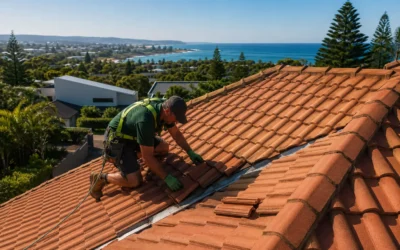
Most tile roofs are restored rather than fully replaced, meaning the tiles are cleaned, repointed and resealed instead of stripped off. Full replacement usually comes up only when the frame needs work, too many tiles have failed, or you are switching to another material. A proper inspection is the only way to know which camp yours falls into.
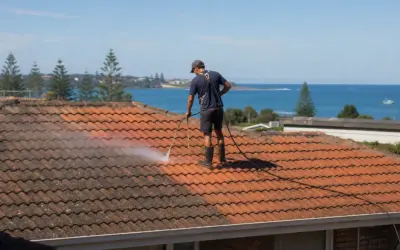
Is it okay to jet wash a tiled roof?
High-pressure washing does clean tiles, but in the wrong hands it can strip the surface, crack older tiles and force water under the laps. We do it carefully, at a controlled pressure, and check the pointing afterwards. It is not a job to hand a hardware-store pressure washer on a ladder.